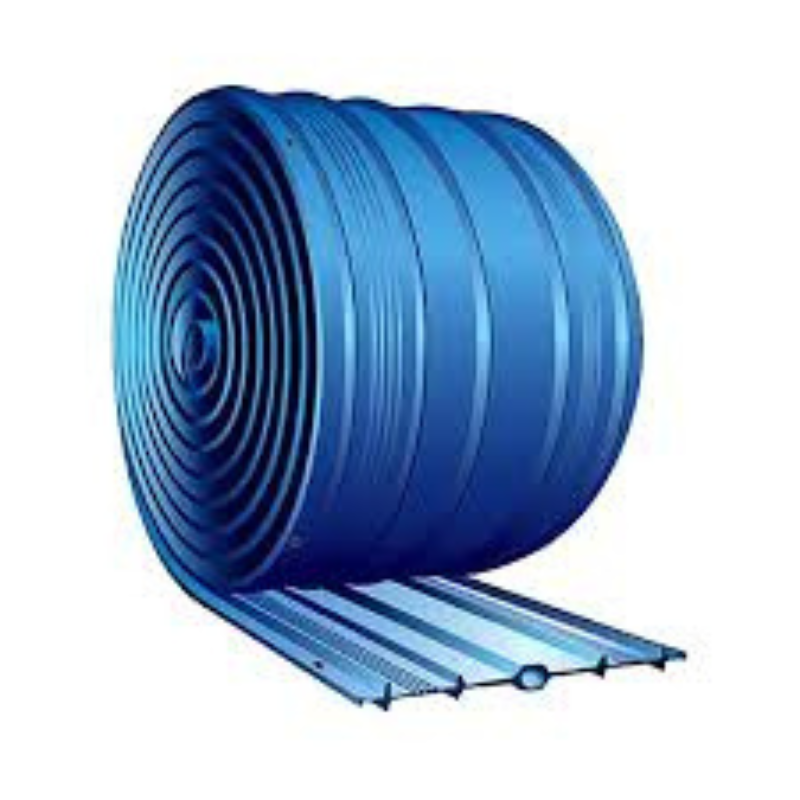
Water stopper is an essential construction product used to prevent water leakage through concrete joints in buildings and infrastructure projects. In reinforced concrete structures, joints are unavoidable due to staged concrete pouring, structural movement, and expansion requirements. These joints become the most vulnerable points for water penetration if they are not properly sealed. A water stopper is installed inside these joints to form a continuous barrier that blocks the passage of water under pressure.
Water stoppers are widely used in residential, commercial, and industrial construction projects where long-term waterproofing is required. They are commonly manufactured from PVC and rubber materials, each offering specific performance benefits depending on application conditions. When embedded correctly within concrete, a water stopper becomes an integral part of the structure and provides permanent protection against groundwater, rainwater, and hydrostatic pressure.
In regions with high groundwater levels and seasonal rainfall, such as Pakistan, water stoppers are considered a standard construction requirement rather than an optional material. Engineers and contractors rely on water stoppers to enhance structural durability, prevent reinforcement corrosion, and reduce maintenance costs over time. Without a proper water stopper system, even high-quality concrete can suffer from leakage, dampness, and long-term structural damage.
Water stoppers are used in basements, foundations, water tanks, tunnels, retaining walls, and sewage structures. Their effectiveness depends on correct selection, proper size, suitable material, and accurate installation. Choosing the right water stopper ensures that concrete joints remain watertight throughout the service life of the structure. This page explains PVC and rubber water stoppers, their selection, market availability, applications, and professional support services in detail.
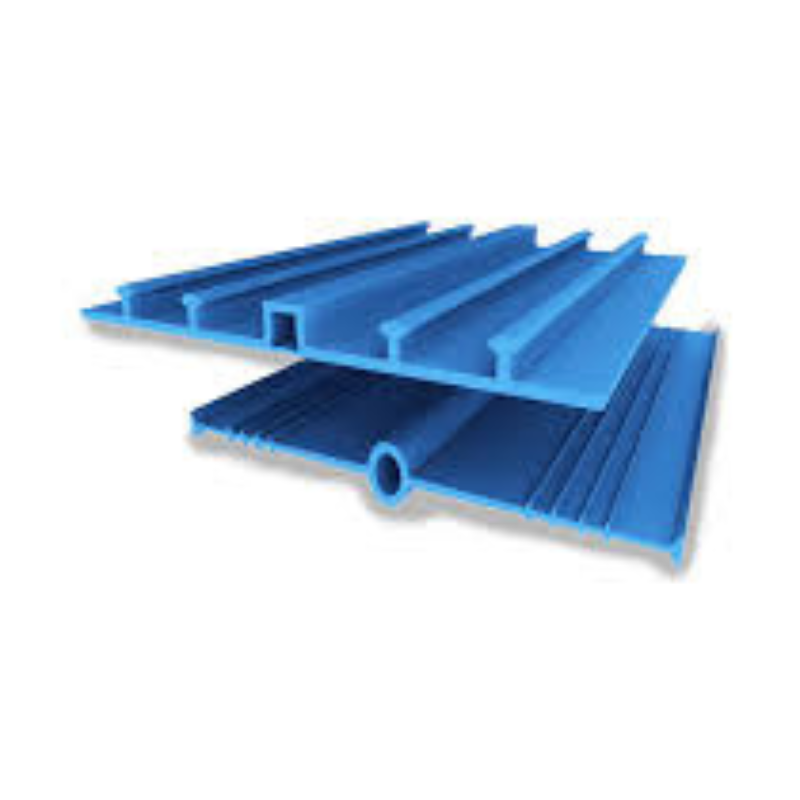
A PVC water stopper is a flexible waterproof strip made from polyvinyl chloride material. It is designed to be embedded in concrete joints to prevent water from passing through construction and expansion joints. PVC water stoppers are widely used due to their flexibility, durability, resistance to moisture, and cost effectiveness. They are suitable for most general construction applications where moderate joint movement and water pressure are expected.
PVC water stoppers are available in different profiles such as flat, ribbed, dumbbell, and center bulb designs. Each profile is engineered to perform a specific function depending on joint type and movement. When concrete is poured, the PVC water stopper becomes locked within the joint and blocks water flow from both sides of the structure. PVC material also offers good resistance to chemicals commonly found in soil and groundwater.
Choosing the correct PVC water stopper depends on joint location, joint movement, and water pressure conditions. Construction joints usually require flat or ribbed PVC water stoppers, while expansion joints require center bulb profiles that can accommodate movement. Water pressure plays a critical role in size selection. Higher pressure applications require wider and thicker water stoppers.
PVC water stoppers are commonly available in widths ranging from 150 mm to 300 mm. Smaller sizes are suitable for light-duty residential projects, while larger sizes are used in basements, water tanks, and underground structures. Environmental conditions and exposure to chemicals should also be considered during selection.
Lahore has a strong construction market, and reliable water stopper suppliers play an important role in project success. A trusted water stopper supplier in Lahore provides consistent material quality, correct sizing, and technical guidance. Working with an experienced supplier helps ensure that the selected PVC water stopper meets project specifications and performs effectively on site.
A rubber water stopper is a high-performance waterproofing product manufactured from natural or synthetic rubber compounds. It is designed for heavy-duty applications where high flexibility, strength, and resistance to extreme water pressure are required. Rubber water stoppers are commonly used in dams, tunnels, bridges, sewage treatment plants, and large underground structures.
Rubber water stoppers offer superior elasticity compared to PVC, allowing them to absorb large joint movements without losing their sealing capability. They maintain performance under continuous water pressure and harsh environmental conditions. This makes rubber water stoppers ideal for critical infrastructure projects where failure is not acceptable.
A water stopper works by forming a continuous impermeable barrier within a concrete joint. When installed correctly, it blocks water movement through the joint even under hydrostatic pressure. Rubber water stoppers expand and contract with structural movement, maintaining a tight seal throughout the life of the structure. Proper alignment and secure fixing during concrete pouring are essential for effective performance.
The market rate of rubber water stoppers in Lahore varies based on material quality, width, thickness, and profile design. Rubber water stoppers are generally more expensive than PVC due to higher material cost and performance capabilities. Prices may fluctuate depending on raw material availability and project demand. Buyers should focus on quality and compliance rather than low pricing.
Water stopping refers to the overall practice of preventing water penetration in concrete structures using specialized materials and systems. In international markets, including suppliers like Bunnings, water stopping solutions include water stoppers, joint sealants, membranes, and waterproofing accessories. The core objective of water stopping remains the same, which is protecting structures from water damage.
Professional construction projects rely on internal water stopping systems such as PVC and rubber water stoppers rather than surface treatments alone. Internal water stoppers provide long-term protection because they are embedded within the concrete and protected from physical damage. Understanding water stopping principles helps engineers select appropriate systems for different construction environments
There are several types of water stoppers used in construction depending on application requirements. PVC water stoppers are the most common due to versatility and affordability. Rubber water stoppers are used for high-pressure and heavy-duty applications. Hydrophilic water stoppers expand upon contact with water and are commonly used for repair works and secondary sealing.
Each type differs in material behavior, flexibility, installation method, and performance. Selecting the correct type ensures effective waterproofing and long-term durability. Incorrect selection can lead to leakage, joint failure, and costly repairs. Engineers must evaluate joint conditions, pressure levels, and structural movement before choosing a water stopper type.
Water stoppers are used in multiple construction applications where watertight joints are required to protect structures from water ingress. The primary purpose of a water stopper is to block the passage of water through concrete joints that are created due to phased pouring, structural movement, or design requirements. These joints are often the weakest points in reinforced concrete structures, making them highly vulnerable to leakage if not properly treated. The correct application of a water stopper ensures long-term waterproofing, enhances structural durability, and minimizes maintenance costs over explaining the life of the structure.
Water stoppers are commonly installed in underground structures, water retaining systems, and load-bearing concrete elements. Their effectiveness depends on correct placement, suitable material selection, and compatibility with joint conditions. When embedded within concrete, a water stopper forms a continuous barrier that resists hydrostatic pressure and prevents moisture penetration. Proper application also protects reinforcement steel from corrosion, which is a major cause of structural deterioration in wet environments.
Construction joints are formed when concrete pouring is carried out in stages due to project size or scheduling requirements. These joints create potential paths for water seepage if left untreated. Water stoppers are installed at construction joints to ensure a continuous watertight seal between successive concrete pours. By embedding a water stopper at the joint location, water movement through the joint is effectively blocked even under pressure. This application is widely used in slabs, walls, foundations, and retaining structures to maintain structural integrity.
Basements and foundations are continuously exposed to groundwater and soil moisture. Water stoppers play a critical role in sealing joints in these underground structures to prevent water ingress. Proper application of water stoppers reduces dampness, protects interior spaces, and prevents corrosion of reinforcement. This ensures a dry and durable foundation system capable of withstanding long-term environmental exposure.
In water tanks, reservoirs, swimming pools, and similar structures, water stoppers are essential to prevent leakage and water loss. These structures require durable water stoppers that can withstand continuous water pressure and maintain sealing performance over time. Proper application ensures reliable containment and long-term operational efficiency.
Professional services and technical support play a vital role in the correct selection and use of a water stopper in construction projects. Even the highest-quality water stopper can fail to perform if it is incorrectly selected or improperly installed. Reliable service support ensures that contractors, engineers, and builders choose the right type, size, and material according to project requirements. Technical guidance also helps avoid common on-site issues such as misalignment, displacement during concrete pouring, or incorrect joint positioning.
Support services include product consultation, application guidance, and availability of consistent stock for uninterrupted project execution. A professional supplier assists clients in understanding joint conditions, water pressure levels, and environmental factors that influence water stopper performance. This level of support reduces the risk of leakage, improves construction quality, and enhances long-term structural durability. Proper service and support also help projects comply with engineering standards and waterproofing specifications.
Khuwaja Rubber Store is trusted for supplying high-quality PVC and rubber water stoppers that meet construction and waterproofing standards. The store focuses on consistent material quality, accurate sizing, and dependable product performance. Years of experience in the rubber and waterproofing industry allow Khuwaja Rubber Store to understand the practical challenges faced on construction sites and provide suitable solutions.
Clients rely on Khuwaja Rubber Store for technical knowledge, honest guidance, and reliable product availability. The store supports both small-scale and large-scale construction projects by offering water stoppers suitable for basements, foundations, water tanks, and infrastructure works. This commitment to quality and service has established long-term trust with contractors, engineers, and builders.
Choosing a water stopper is essential for achieving reliable waterproofing in concrete structures. A properly selected water stopper prevents water leakage through joints, protects reinforcement from corrosion, and extends the overall lifespan of the structure. Water stoppers reduce maintenance requirements and help avoid costly repairs caused by seepage and moisture damage.
Water stoppers provide a permanent waterproofing solution when embedded correctly within concrete joints. Their proven performance across residential, commercial, and industrial applications makes them a preferred choice for modern construction. Selecting a water stopper ensures long-term structural safety, durability, and peace of mind for builders and property owners.
We are a trusted manufacturer of high‑quality water stoppers and a reliable supplier, trader, and wholesaler of industrial pipes and rubber hose products. Serving both industrial and domestic applications, we focus on durability, performance, and consistent quality. As an established rubber products supplier in Lahore, we support businesses across Pakistan with dependable solutions, competitive pricing, and timely supply.
WhatsApp us